



A/C Service, Central Air Installation, A/C Installation, Central Air Repair & Air Conditioning RepairLos Banos, CA, Gustine, CA, Dos Palos, CA, Newman, CA & Santa Nella, CA
 Young's Air Conditioning continues to build on three generations of family tradition across The Los Banos region. We take pride in exceptional customer service and job performance. Our services include residential and commercial solutions to temperature control and energy conservation. We offer free estimates, HVAC installation, maintenance, and repair, home energy audits, solar energy opportunities, installation of attic insulation, domestic well pump installation, and emergency assistance, round-the-clock, throughout Los Banos, Gustine, Dos Palos, Newman, Atwater, & Patterson, CA. For weekend and after-hours emergency service please call (209) 826-4807 to connect to our answering service.
Quality Air Conditioning Services Throughout Los Banos
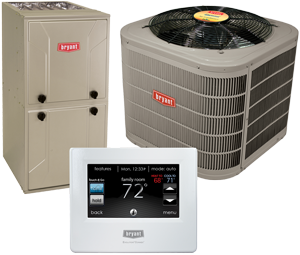
You might find a lower price, but not of equal quality or value. We simply refuse to settle for subpar materials or equipment, preferring to optimize long-term savings through superior energy efficiency, reliability, service life, and extended warranty coverage. As a Bryant Factory Authorized Dealer, the team from Young's Air Conditioning is extensively trained, regularly updated, and knowledgeable in a complete selection of state-of-the-art heating and cooling systems.
Certified HVAC Experts Serving The Los Banos Region. In Business for 36 Years, BBB Accredited Since 1997
Los Banos, Gustine, Dos Palos, Newman, Atwater, & Patterson, CA
When the professionals from Young's Air Conditioning complete conscientious service, you can count on us to follow up and make sure your start-to-finish experience met your expectations. We uphold a complaint free A+ rating from the Better Business Bureau. Every project is handled by NATE-certified, BPI-certified, licensed, and insured professionals, who customize solutions to best serve your needs. We’re so confident in the quality of our performance that we stand behind our work with a 100% Satisfaction Guarantee for the first year.